Can You Read the Quran in English? A Beginner's Guide
Do you wonder whether you can read the Quran but hesitate because you don't know Arabic and don't speak it? Perhaps you find Islam interesting and want to understand what Muslims believe.
The answer is: yes, you can read the Quran in English. Even if you're not Muslim and have never learned a word of Arabic.
You don't have to convert, change your mind or learn a foreign language. You just have to be interested, have questions, and give yourself some time.
In this beginner's guide, we will figure out how to read the Quran in English, what you should know about its translations, and how to start reading it without stress.
Can You Read the Quran in English?
Of course. There are many versions of the English translations of the Quran both printed and online. You can read them at home, in the library, or via your smartphone.
Muslims believe that the Quran was revealed to the Prophet Muhammad (peace be upon him) in the Arabic language by God. That's why Muslims make a distinction between the Arabic Quran — the divine revelation in its original language — and the English translation, which communicates its sense in another language.
The distinction matters because translation is not merely a word-for-word process. Certain features of the Arabic text have no exact analogues in English, and different translators may choose different English words for the same verse.
So an English translation of the Quran is a good start for exploring this text. Just remember that you're reading a translation, not a text completely independent from the original.
And you don't have to be Muslim to read it.
Do You Need to Know Arabic to Understand the Quran?
No. Learning Arabic may help you appreciate the Quranic language, but it's not an obligation for beginners.
When you read a novel in translation, you don't need to know the original language to understand its plot and the author's ideas.
But bear one thing in mind: Muslims believe the Quran is a divine revelation in the Arabic language.
So if you're a beginner, don't let the lack of Arabic stop you. Start with an English translation and go deeper into Arabic only when you decide you're interested enough.
Which English Quran Translation Should You Read?
There are many English translations of the Quran, and no single one suits every reader. Here are three worth checking:
- The Clear Quran, translated by Dr. Mustafa Khattab. Written in accessible, contemporary English — a great start for many beginners.
- The Qur'an, translated by M. A. S. Abdel Haleem. Known for its readable, modern English and attention to context and flow.
- The Qur'an, translated by Muhammad Asad. Rich in explanatory notes and interpretive comments — suited to in-depth exploration of the verses' meanings.
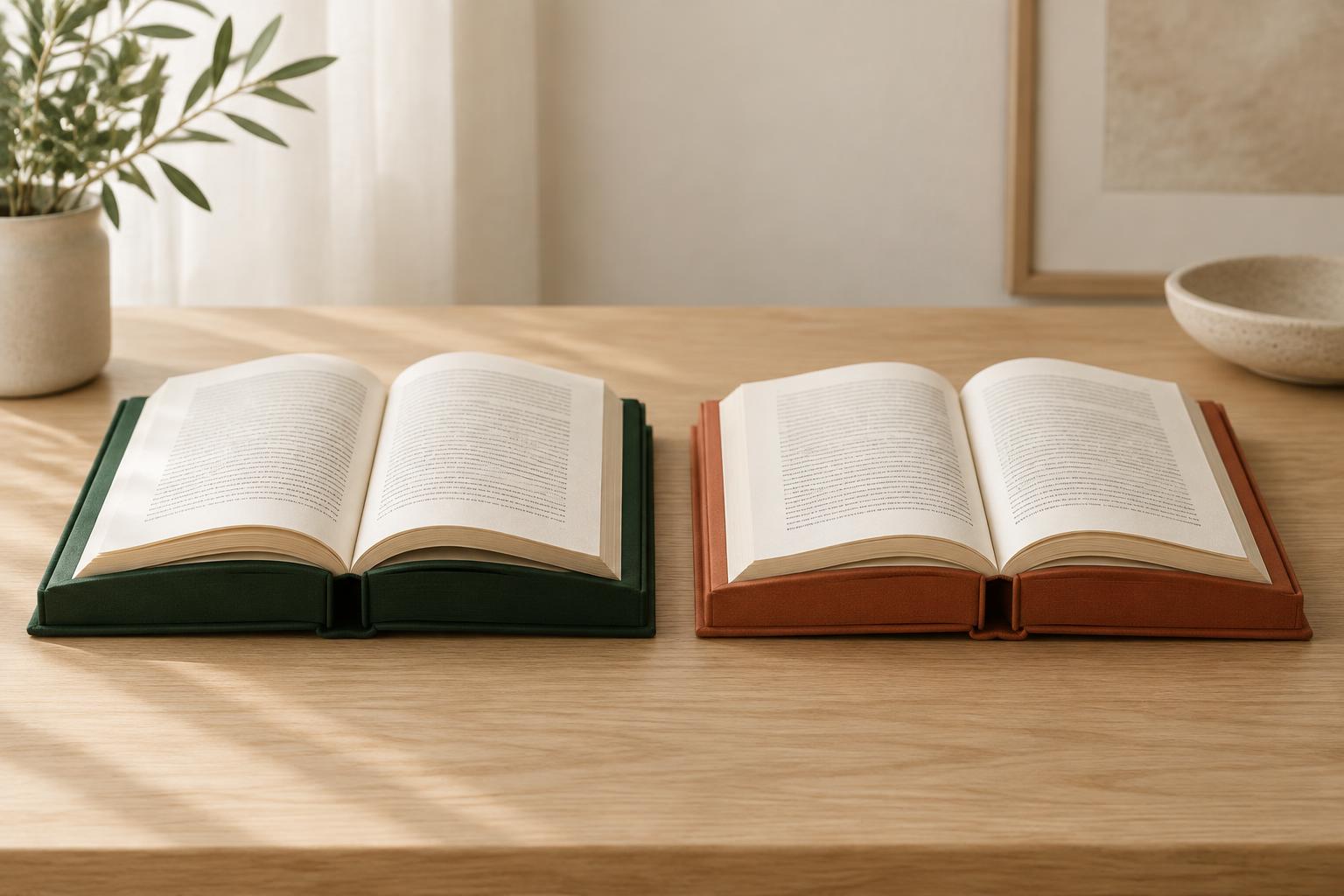
Each translation has its own style and interpretations. If you're hesitating, read a sample of each and pay attention to the differences in wording.
How to Start Reading the Quran in English
There's no need for a complicated study plan. Sometimes a simple, regular rhythm is the best choice.
Choose a translation you can understand
Look for clear language, useful notes, and comfortable formatting. Preview the text before you buy a copy.
Begin with a section you can manage easily
You don't need to read the whole Quran consecutively from the beginning. Many beginners start with the shorter chapters, or with passages about the nature of God, His mercy, human responsibility, and the purpose of life.
The first chapter, Al-Fatihah, is a short prayer that forms the basis of Muslim worship. Chapter 112, Al-Ikhlas, concisely describes the oneness of God. Both make a good introduction.
Read the context, not only the verses
A verse quoted on its own may not carry the full meaning of the passage. Pay attention to the surrounding verses, the themes of the chapter, and the explanatory notes.
If a passage raises difficult questions, write them down and don't rush to a conclusion.
Compare translations when something confuses you
Differences in wording often come down to the different English words translators choose — but that doesn't settle questions of interpretation.
More complicated passages are best explained by reliable scholars whose interpretation takes the context into account.
Ask questions freely
You may agree with some ideas, disagree with others, or remain uncertain. That's a natural part of the process.
You don't need to commit to any position while reading. At the beginning, the goal is simply to understand what is written and how it has been interpreted.
What Should You Know Before Reading the Quran?
The Quran is not organized like the Bible or a book of philosophy. Its chapters, called surahs, differ in length and deal with the nature of God, the prophets, human responsibility, worship, justice, and the afterlife.
A few things will make the reading richer:
- Approach it with an open mind. Try to understand a passage's meaning before you judge it.
- Keep a notebook. Write down interesting ideas, new terms, and questions you want to research.
- Use reliable sources. Learn to distinguish the wording of the Quran from the notes and interpretations of translators and scholars.
- Allow for different interpretations. Muslims themselves may disagree about how a passage should be interpreted or applied.
You may find familiar figures in the Quran — Abraham, Moses, Jesus, and Mary. That can be especially interesting if you come from a Christian or Jewish background.
You may also come across passages that contradict your ideas about Islam. Don't rely only on quotes posted on social media or in the news.
Can Non-Muslims Read the Quran Without Converting?
Yes. You can read the English translation of the Quran simply because you want to learn.
You don't have to convert to Islam, worship, or promise to believe anything. Reading a religious text to understand other people's faith is a legitimate way of learning.
Approach the Quran as you would any other source: read it carefully, ask questions, compare explanations, and think critically about what you find.
If you decide to explore the beliefs of Islam further, you can do it at your own pace. And if you decide Islam is not for you, you will still have learned something.
Your First Step Starts Here
Can you read the Quran in English? Yes — and you don't have to wait until you know Arabic or everything about the religion.
Choose an English translation, start with a short passage, and sit with it. Compare translations, research the context, and ask questions.
You may find something surprising or challenging that makes you want to dig further. There's no need to hurry.
At Islam Without Borders, we believe this is exactly the way to learn: ask honest questions, explore, and owe nothing to predetermined conclusions.
Ready to begin? Choose an English translation of the Quran that fits your reading style, and take the first step yourself.
Discover Islam. Think for yourself.