Is Islam an Arab Religion? Separating Faith From Culture
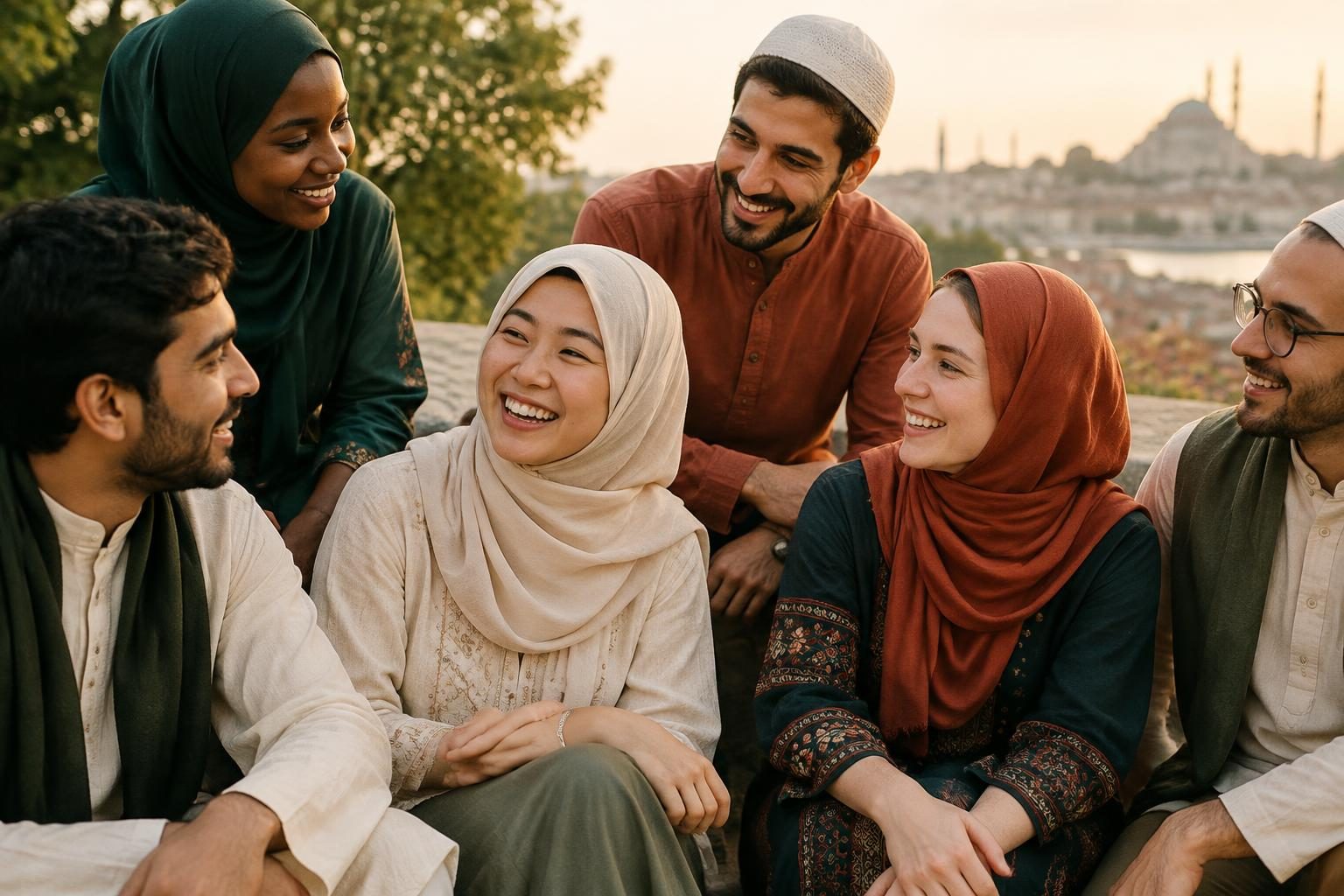
When many people think about Islam, they immediately picture the Arab world: Arabic language, mosques, traditional clothing, and customs that may seem very different from their own.
I used to see it exactly the same way. Having grown up in Belgium, Islam was just another culture, another language, another way of life. I never really thought that it could have anything to say to a person like me.
But is Islam in fact an Arab religion? Do you have to be Arab to be Muslim? And just how much of what we think of as 'Islam' is actually part of the religion and how much is just the culture that it developed in?
These are vital questions to ask, particularly if you're coming to Islam from outside the Arab world. The answer is probably far simpler than you'd imagine.
Is Islam an Arab Religion?
No. Islam arose in Arabia but is not in any way an Arab religion.
According to Islam, it all began in the 7th century in the Arabian Peninsula with the revelation of the Qur'an to Muhammad (peace be upon him). The Qur'an was revealed in Arabic and the first Muslim community was in the Arab world.
That history matters and it would be utterly wrong to pretend it doesn't.
But the message of Islam isn't restricted to one ethnicity, one nationality or one culture. It is a universal message from God for all people.
In fact, Muslims can be found all over the world, including:
- Indonesia and Malaysia.
- Pakistan, Bangladesh and India.
- Turkey and Central Asia.
- Nigeria and other parts of Africa.
- Europe, North America and Australia.
Many of these are not Arab at all, don't speak Arabic in day to day life and have their own languages, their own traditions and their own cultural identities.
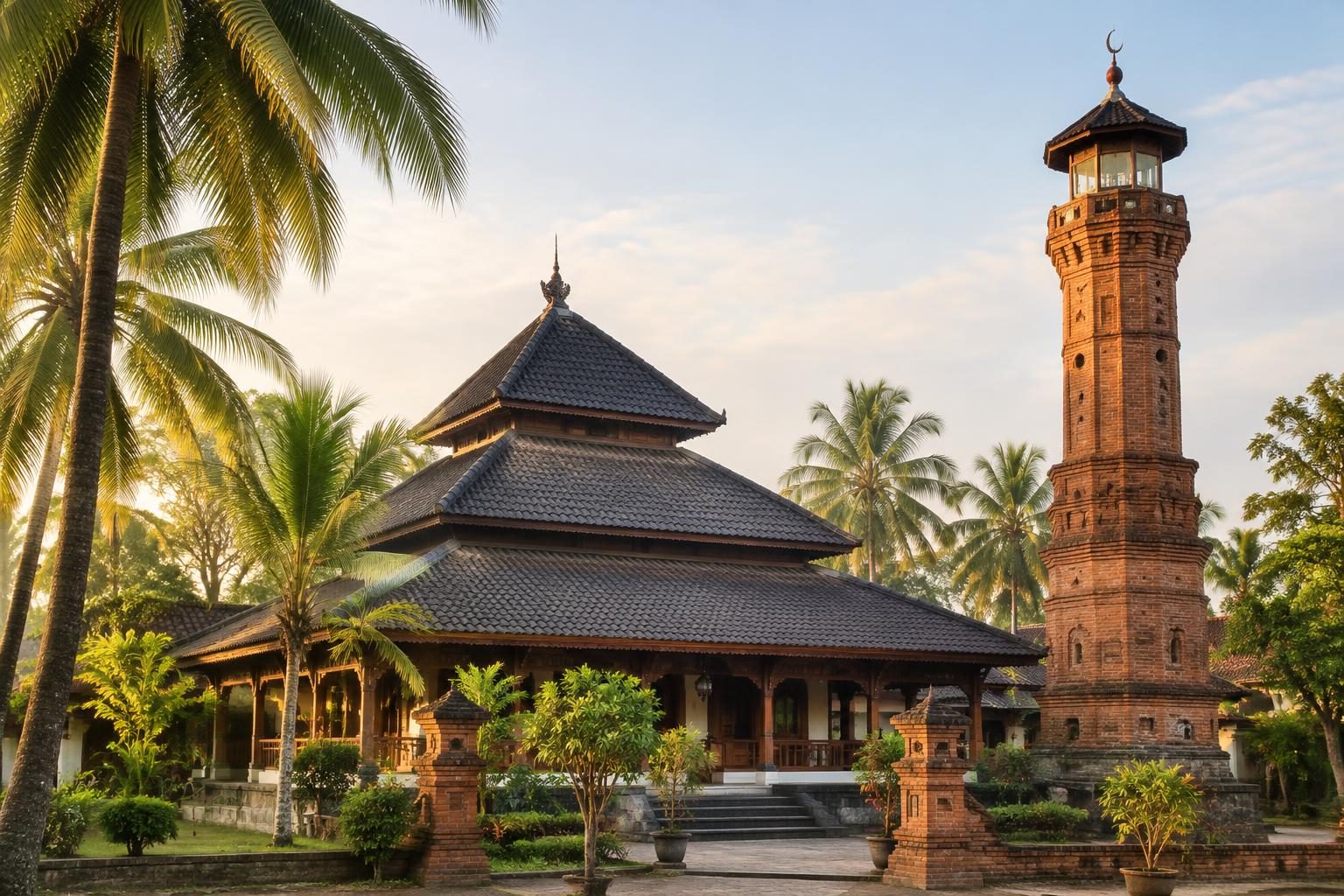
So it started in Arabia, but it has never been an Arab religion.
What is the difference between Islam and Arab culture?
This is where it can get a bit confusing as the two are not necessarily the same thing.
When a religion is in place within a society, the practices of the religion can interact with the local customs. Eventually people will start to blur the line between the religion and the culture.
But they aren't the same thing.
Islam is a religion of belief in one God, the Qur'an and the teachings of Prophet Muhammad (peace be upon him). Arab culture is much broader than that. It encompasses a whole range of different languages, cultures, food, dress, music, social customs and so on throughout the various Arab countries.
Some examples make the difference easier to understand:
- Clothing: It depends a lot on the country and the community. Islam teaches modesty, but it doesn't prescribe any one particular Arab style of dress.
- Food: Hummus, falafel, and various traditional Arab meals are part of regional food cultures, not religious obligations.
- Language: Arabic is the language of the Quran, but Muslims all over the world speak many other languages.
- Marriage and family traditions: Many customs surrounding weddings, family roles, and celebrations come from local cultures. They should not automatically be treated as Islamic rules.
Of course some Arab customs are compatible with Islam just as customs from other parts of the world can be. The key thing is to know where a particular teaching or practice comes from.
Do you have to be Arab to be Muslim?
Absolutely not.
You don't have to be Arab, you don't have to speak Arabic, you don't have to have an Arab family or even change your nationality to become Muslim.
A person from Belgium, Germany, the US, Pakistan or indeed anywhere else can become Muslim without in any way having to lose their cultural identity.
This is one of the things I find so interesting about Islam.
The Qur'an talks about people from all nations and tribes and states that differences between people are no reason for superiority. Qur'an 49:13 says God created mankind in nations and tribes so they may know one another, and that the most honorable of them in the sight of God are those who are most mindful of Him.
In other words your ethnicity doesn't make you a better or worse person in Islam.
You can be Belgian and Muslim. You can be British and Muslim. You can be Nigerian, Japanese, Brazilian or Canadian and Muslim.
You don't have to become someone else in order to explore the religion.
Why is Arabic so important in Islam?
If Islam isn't an Arab religion then why is Arabic so intrinsically linked to it?
That's a fair question and the answer comes down to one main reason.
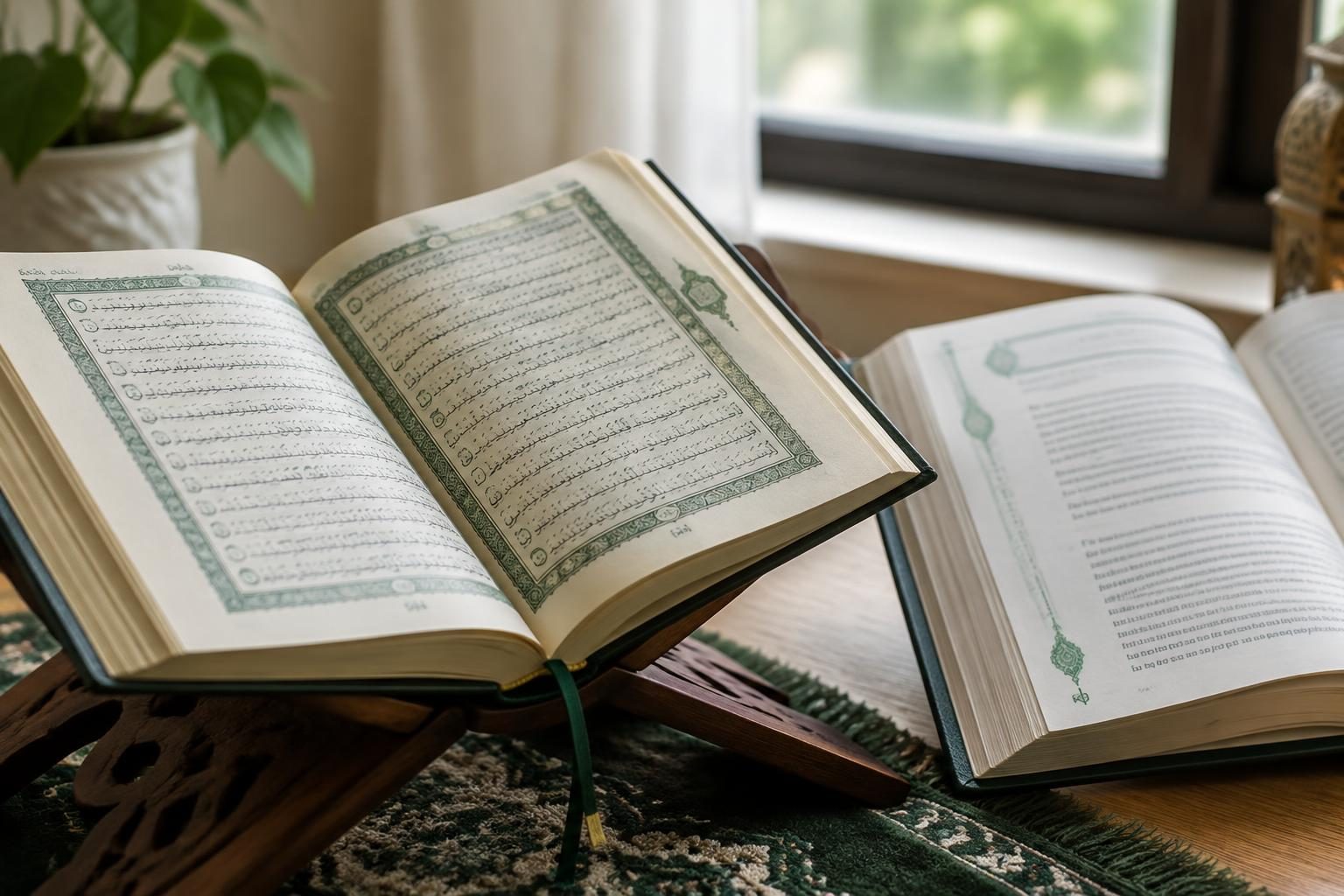
The primary reason is that the Quran was revealed in Arabic. It is recited in Arabic in all the prayers all over the world.
Arabic therefore has a distinct religious significance.
It doesn't mean of course that every Muslim has to be fluent in Arabic or that they all understand every word of the Quran without the aid of a translation.
People who don't speak Arabic can read translations and understand what it says, what it teaches, and what its message is in their own language.
There's a key distinction: Muslims generally regard the Arabic Quran as the authentic revelation and translations as interpretations of its meaning.
Arabic has a very special status in Islam, but it's not in any way a requirement for membership in the Muslim community.
Did Islam begin with Arab culture?
Another frequent misconception is that Islam brought a message which was purely and simply an Arab message.
Islam presents a very different picture.
Muslims believe that God revealed guidance to mankind through many of His prophets (peace be upon them) throughout history. These include Abraham (peace be upon him), Moses (peace be upon him) and Jesus (peace be upon him), and many more.
From an Islamic point of view he was the last in the line, not the very beginning of a new religion.
This is one of the reasons why Islam has such close links with both Judaism and Christianity.
Of course Muslims and Christians or Jews don't agree on every theological issue. Islam sees itself as part of the continuing line of revelation rather than simply as an Arab cultural phenomenon.
Can you be Muslim without giving up your culture?
Yes. And I think that's one of the absolutely key things to grasp if you're looking at Islam.
Becoming Muslim doesn't mean you have to give up your language, your food, your nationality or your family traditions.
Some customs may well need to be looked at again if they're in conflict with the teachings of Islam, that's not the same thing as simply swapping your whole identity for Arab culture.
Islam is practised in so many different ways all over the world and the various Islamic communities have developed their own traditions whilst still sharing the same basic beliefs.
You can see this in the way Muslims celebrate, the way they dress, the way they cook, the way they speak and the way they build their communities.
There's no one cultural template that every Muslim has to follow.
So is Islam an Arab religion?
Islam started in Arabia, the Quran was revealed in Arabic and Arab heritage is a significant part of its history. It's not an Arab religion in the sense of being solely an Arab religion or an Arab culture.
People from all over the world are part of this faith, from all walks of life, all languages, all traditions.
For me, understanding that distinction was absolutely key to seeing Islam in a different light. I'd always equated the religion with a culture that wasn't my own and had never really questioned whether they were, in fact, the same thing.
Maybe you're making that same distinction for the first time.
You don't need to be Arab to go and explore Islam, and you don't need to have made up your mind about what you believe in before you start asking questions.
Start with what the religion actually teaches. Then look at the history, the culture, and the various viewpoints.
Islam started in Arabia, but its message has no borders.
Discover Islam. Think for yourself.